Best St Augustine Grass Fertilizer for a Lush, Green Lawn
Finding the right fertilizer for St Augustine grass can transform a tired lawn into a thriving, vibrant landscape. This guide reviews top liquid and granular options that support growth, root strength, and deep greening, with attention to safe use on Floratam and other common St Augustine varieties. The selections below cover liquid formulas for easy coverage, ready-to-apply blends, and weed-and-feed options designed for St Augustine lawns across different climates and soil types.
Summary of Selected Products
| Product | Brand | Type | Notes |
|---|---|---|---|
| St Augustine Grass Fertilizer, Complete Plant Food for Saint Augustine Grass, Liquid Fertilizer (1 Gallon) | TPS NUTRIENTS | Liquid Fertilizer | Custom formula, thick green growth, easy application |
| St Augustine Grass Fertilizer, Complete Plant Food for Saint Augustine Grass, Liquid Fertilizer (32 oz) | TPS NUTRIENTS | Liquid Fertilizer | Same benefits in a smaller bottle |
| Fertilome St. Augustine Weed & Feed 15-0-4 | ferti-lome | Weed & Feed | Pre-emergent and post-emergent weed control with fertilizer |
| Scotts Turf Builder WinterGuard Fall Lawn Fertilizer | Scotts | Fall Fertilizer | Strengthens roots for spring recovery |
| SeedRanch St. Augustine Lawn 24-2-11 Fertilizer | Lesco | Granular Fertilizer | Includes 6% iron for greening, large coverage |
Liquid St Augustine Fertilizer By TPS: 1 Gallon

TPS NUTRIENTS offers a custom liquid formula designed to promote thick, vibrant St Augustine lawns. The product emphasizes lush green growth and robust root strength, with an easy-to-apply liquid format that ensures even coverage across the lawn. This type of fertilizer is particularly useful for homeowners seeking quick visibility in turf color and density after a standard maintenance cycle. When applying, follow label directions to achieve uniform distribution and avoid runoff on impervious surfaces.
St Augustine Grass Fertilizer Liquid 32 oz

The 32-ounce TPS NUTRIENTS version provides the same custom formula for thick, vibrant lawns with emphasis on green growth and soil-root health. Its compact size allows for easier storage and targeted applications, especially in mid-season when lawn color can dip. This product pairs well with regular mowing schedules, as evenly applied liquids tend to release nutrients more quickly than some granular blends. Always calibrate your sprayer to avoid over-application in spots with dense turf.
Fertilome St. Augustine Weed & Feed 15-0-4

This Fertilome product combines weed control with a starter fertilizer formula tailored for St Augustine, Centipede, and Zoysia lawns. The 15-0-4 nutrient mix supports early-season green-up while helping suppress weed competition. It is unsuitable for Bermuda grasses or some Northern species, so verify your turf type before application. Use as directed for best weed suppression and nutrient uptake, particularly in lawns with visible weed pressure or seasonal growth slowdowns.
Scotts Turf Builder WinterGuard Fall Lawn Fertilizer
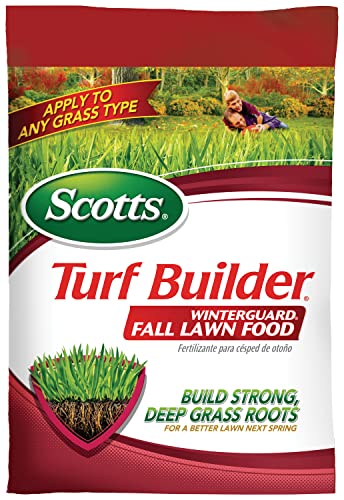
Designed for all grass types, Scotts WinterGuard supports fall feeding that strengthens roots in preparation for spring recovery. This option is beneficial for lawns that endure heat and drought stress during summer, helping the turf rebound with a sturdier root system. The product can be applied to both wet and dry lawns, offering flexibility for different weather windows. For best results, time applications in the fall when turf is actively growing but before extended cold snaps, following the label’s rate guidelines.
SeedRanch St. Augustine Lawn 24-2-11 Fertilizer
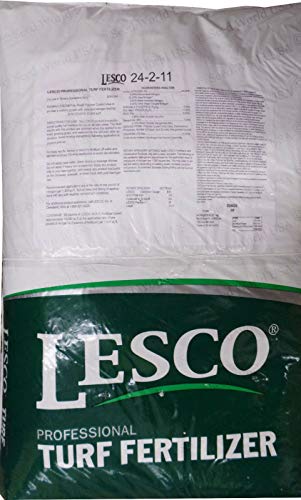
SeedRanch’s 24-2-11 granular fertilizer is designed for St Augustine lawns, delivering essential nutrients with 6% iron to enhance greening. With coverage suitable for large areas (up to 12,000 square feet), this product supports steady growth and a robust lawn color. The iron component helps reduce yellowing during warm months, while the balanced N-P-K ratio provides ongoing nourishment across multiple weeks. Apply as directed, avoiding over-application that could burn the turf or soil.
Buying Guide: Key Purchase Considerations
- Grass type compatibility: Verify that the fertilizer is labeled for St Augustine or Floratam varieties. Some blends are specifically formulated for St Augustine and others may be safer for mixed lawns containing Zoysia or Centipede.
- Formulation: Liquid formulas offer quick nutrient delivery and even coverage, ideal for homeowners with spray equipment. Granular options provide longer-term feeding but require timing with watering for activation.
- Nitrogen content and release: Look for a balanced N-P-K ratio that supports rapid green-up without encouraging excessive top growth. Slow-release formulas extend feeding periods, reducing the frequency of applications.
- Weed control: Weed-and-feed products reduce weed competition but require precise timing and turf compatibility. Avoid mixtures that harm native grasses or non-St Augustine varieties.
- Iron content: Iron-enriched formulas can enhance greening, particularly in warm climates where yellowing is common. Ensure the product includes a safe iron level to avoid burn.
- Weather and application timing: Fall or late-season feeds help prepare grass for winter dormancy, while spring and summer feeds support growth during peak heat. Follow label directions for temperature and soil moisture conditions.
- Storage and handling: Keep products in a cool, dry place. Liquid concentrates require proper mixing and a compatible sprayer, while granular blends demand even distribution and washing off of sidewalks and driveways to prevent staining.
- Safety and environmental impact: Choose products with minimal environmental risk, especially if you have pets, kids, or nearby water sources. Read safety data and keep away from ponds or streams during application.
Additional Notes
Product labels differ by brand and formulation. Always read and follow the manufacturer’s instructions for mixing, application rates, and protective measures. When mixing multiple products, perform a small test area first to ensure there is no turf injury or unexpected interactions. For best results, maintain a consistent fertilization schedule aligned with local climate and soil conditions.