Best Fast Growing Evergreen Trees for Quick Privacy and Year‑Round Beauty
Choosing fast growing evergreens can dramatically improve privacy, wind protection, and curb appeal. The following selections are among the most reliable for American landscapes, offering rapid growth, dense foliage, and year‑round color. This guide highlights five top options with their distinctive strengths, helping you compare height potential, maintenance needs, and best use cases.
| Product | Typical Size | Key Benefit | Best Use |
|---|---|---|---|
| Leyland Cypress 20 Pack | 6–12″ starter plants | Lightning-fast growth, dense evergreen privacy | Privacy screens, quick fences |
| Leyland Cypress 10 Live Plants | 6–12″ starter plants | Year-round evergreen foliage, easy establishment | Borders, property lines |
| Murray Cypress 10 Pack | 6–12″ starter plants | Very rapid 3–4 ft/year growth, refined texture | Dense privacy screens |
| Thuja Green Giant 3 Live Plants | Starter size to small young trees | Extremely fast, versatile hedge or screen | Hedges, windbreaks |
| Southern Red Cedar 3 Live Plants | Young evergreen trees | Native option with robust, upright growth | Privacy screens in southern climates |
The selections above are chosen for their proven performance across American cities and suburbs. Each option has its own growth rate, climate tolerance, and maintenance profile, so you can tailor your planting plan to your space and goals. Below, you’ll find detailed sections for five featured products, followed by a buying guide to help you evaluate site conditions, soil, light, and long‑term care.
20 Leyland Cypress Trees — Fast Privacy Growth

The 20 Leyland Cypress trees are sold as 6–12″ tall live plants, shipped in pots. This option emphasizes lightning-fast growth potential, with claims of 3–4 feet of annual height gain, enabling a mature‑looking screen in a few seasons. Foliage remains evergreen year‑round, delivering consistent color and privacy even in cooler months. Suitable for creating a robust privacy hedge along property lines or driveways, these specimens respond well to regular watering during establishment and routine mulching to support moisture retention and root development.
Leyland Cypress — 10 Live Plants For Screens
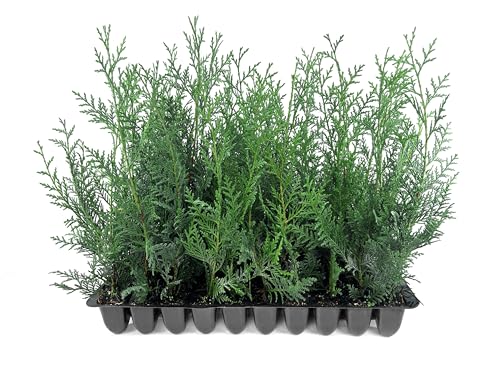
This batch features 10 Leyland Cypress live plants designed for fast privacy enhancement. The cultivar Cupressus × leylandii is known for dense, evergreen foliage and rapid establishment in full sun. These plants are ideal for front or back yard borders, creating windbreaks, or defining spaces with year‑round green foliage. They adapt to a range of soil types and benefit from consistent watering as roots establish, followed by reduced irrigation once mature.
Murray Cypress — Fast Privacy, Refined Texture

Ten Murray Cypress trees, sized 6–12″ tall, offer a lightning-fast privacy solution with a stated growth rate of 3–4 feet per year. The foliage texture is described as superiorly feathery, presenting a more refined look than typical screening plants. This makes them an excellent choice for homeowners who want a lush, lushly textured evergreen screen that matures quickly while maintaining a composed appearance.
Thuja Green Giant — Rapid, Versatile Hedge Plants

Thuja Green Giant is presented here as three live plants with a focus on rapid growth and versatility. These evergreens are well suited to hedges, windbreaks, and landscape accents. They thrive in a variety of soils and ranges of sun exposure, making them a flexible option for many American yards. Once established, they tend to require modest maintenance, with routine pruning to maintain shape and healthy growth and periodic watering during dry spells.
Southern Red Cedar — Native, Robust Privacy

The Southern Red Cedar offers a native evergreen option with strong, upright growth. This trio is suitable for privacy screens in southern climates, where the species is well adapted to heat and drought once established. It provides dense foliage and a classic evergreen silhouette, contributing year‑round privacy and a natural look to property lines and larger landscapes. As with other young evergreens, early watering and soil conditioning support the transition to established screening.
Buying Guide: Key Purchase Considerations
When selecting fast growing evergreens, consider climate compatibility, soil type, sun exposure, mature height, and maintenance needs. Native species often perform better with less irrigation and fewer disease pressures, while non‑native options may offer more dramatic initial growth. Pay attention to root health at delivery, and plan for proper spacing so plants have room to mature into dense screens without crowding.
- Climate and hardiness: Match plant species to your USDA hardiness zone to maximize overwinter survival and steady growth.
- Soil and drainage: Well‑draining soil supports root development; amend heavy soils with organic matter to improve texture.
- Sunlight: Most fast growers prefer full sun, but some tolerate partial shade; adjust planting strategy accordingly.
- Spacing: Allow enough space for eventual width; overcrowding can reduce vigor and increase disease risk.
- Watering and mulching: Establishment requires regular moisture; mulch to regulate temperature and moisture while reducing weeds.
- Maintenance: Plan for pruning and shaping to manage height, density, and form; some varieties respond well to regular, light pruning rather than heavy cuts.
- Longevity and wildlife: Evergreen screens provide habitat and shelter; consider plant palatability if you have deer or other browsing wildlife in your area.
Site assessment questions to guide decision making:
- What is the desired final height and spread of the screen?
- Is native plant selection a priority for ecological reasons?
- Do you need a fast, dramatic privacy screen, or a more gradual, elegant hedge?
- What level of maintenance can you commit to over the years?
Other considerations include potential pests, drought tolerance, and how each species reacts to nearby structures or irrigation systems. A mixed approach—combining several proven evergreen varieties—can provide layered texture, varied growth rates, and resilience against localized climate shifts. Always verify shipping restrictions and local agricultural guidelines when selecting plant species to ensure compliant delivery and optimal establishment.