Best Electric Poultry Netting for Safe, Free-Range Flocks
Electric poultry netting provides a flexible, portable solution for keeping chickens, ducks, turkeys, and other poultry safe from predators while allowing natural foraging and movement. This guide reviews five top options based on build quality, ease of setup, and overall value, helping you choose the right networked fence for gardens, coops, and pasture edges.
The following table summarizes the highlighted products, including key coverage and height to help compare suitability for your setup.
| Product | Coverage | Height | Notes | Brand |
|---|---|---|---|---|
| RentACoop Electric Fence Netting (168′ x 48″) | 168 ft | 48″ | Pre-attached FRP posts, triple-braided wire | RentACoop |
| Happy Henhouse Electric Netting (164′ x 48″) | 164 ft | 48″ | Built-in posts; weatherproof; UV-resistant | Happy Henhouse |
| Starkline 164′ Netting (Double Spiked Fiberglass Posts) | 164 ft | 48″ | Double-spiked posts; predator deterrence | Starkline |
| RentACoop Electric Fence Netting (168′ x 42″) | 168 ft | 42″ | Pre-attached FRP posts; sturdy design | RentACoop |
| Pet & Livestock HQ Electric Fence Netting (164′ x 41″) | 164 ft | 41″ | Portable; lightweight; 19 posts, 2 spikes | Pet & Livestock HQ |
RentACoop Electric Fence Netting — 168′ x 48″

Designed for long-term poultry protection, this RentACoop netting comes in a 168-foot roll at 48 inches tall, providing substantial coverage for fenced-off runs. The system includes pre-attached FRP posts every 12 feet and triple-braided stainless-steel wire, delivering a durable barrier against predators while keeping poultry safely contained. An energizer is required separately to deliver the low-impedance pulse that deters predators without compromising animal safety. This setup is suitable for poultry ranging in gardens or pastures, particularly where a sturdy, tall fence is beneficial.
RentACoop Electric Fence Netting — 168′ x 42″

This version keeps chickens protected with a 42-inch-tall net at 168 feet of coverage. Pre-attached FRP posts at 12-foot intervals and triple-braided wire offer reliable structure and security, with the energizer sold separately. It’s a practical option for yards or small farms needing a slightly lower fence height without sacrificing protection.
Pet & Livestock HQ Netting — 164′ x 41″

This 41-inch-tall netting from Pet & Livestock HQ offers portability and straightforward setup for active birds that enjoy roaming. It includes 19 fiberglass posts with double spikes and four stakes for stability, and it’s designed to keep out larger predators while allowing flexible grazing patterns. The system’s lower electrified strands and overall lightweight design make it suitable for frequent relocation across different areas of a farm or backyard.
Starkline 164′ Netting With Double Spiked Posts
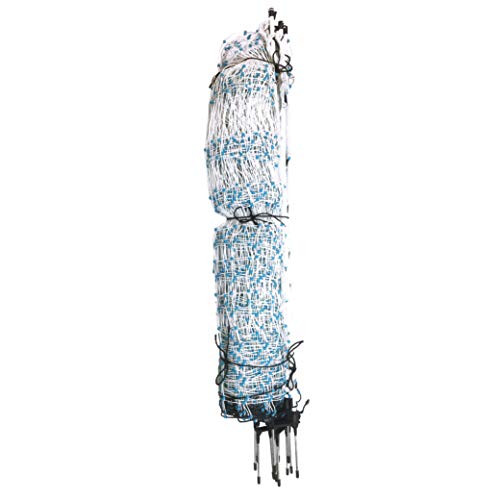
Starkline’s 164-foot netting combines robust protection with predator deterrence. The kit includes double-spiked fiberglass posts and a design focused on stability in diverse soil, helping to maintain a taut, reliable barrier. The netting is compatible with various poultry operations—from backyards to small farms—seeking dependable fencing for free-range birds and varied terrain.
Pet & Livestock HQ 48″ Netting — 164′ Long
This setup emphasizes a tall, portable electric fence design with 19 posts and double spikes for stability. It includes 11 or 9 conductors (depending on configuration) and is designed to minimize sag while keeping invasive wildlife at bay. The product emphasizes ease of setup for one person and quick relocation across farm or garden borders, suitable for flocks that require frequent grazing shifts.
Buying Guide: Key Purchase Considerations
When selecting the right electric poultry netting, consider the following factors to align with your flock size, terrain, and predator pressure:
- Coverage and height: Larger flocks and open spaces benefit from longer nets and taller heights (48 inches is common). If predators are plentiful, opt for taller nets with solid post systems for stability.
- Post design and durability: Pre-attached posts save time, while fiberglass or FRP posts resist weathering and soil conditions. Look for posts spaced every 9–12 feet for consistent tension and fewer sag points.
- Wire construction: Braided or multi-strand conductors can improve conductivity and reduce sag. Stainless steel wires resist corrosion and extend life in harsh environments.
- Energizer compatibility: An energizer is essential. Check minimum joule rating and ensure compatibility with low-impedance pulses to deliver safe, effective deterrence without harming poultry.
- Portability and setup: Portable options support rotating pasture access. Lightweight fencing reduces labor, but ensure stability with stakes and guy lines for corners and slopes.
- Terrain and vegetation: Weed growth can short bottom strands; ensure non-electrified bottom strands if needed and plan for weed management or mowing paths near borders.
- Maintenance and weatherproofing: UV resistance and weatherproofing extend life through sun, rain, and winter conditions. Consider nets with UV-stable materials for longevity.
- Cost vs. value: Higher-quality braided nets or comprehensive post systems may have a higher upfront cost but save maintenance time and reduce replacement frequency over time.
What to Compare Across Brands
- Overall build quality: Post integrity, wire tension, and edge reinforcement.
- Ease of transport and storage: Folded nets and integrated posts simplify deployment and cleanup.
- Predator deterrence: Netting height and conductor layouts affect protection against foxes, raccoons, coyotes, and other predators.
- Compatibility: Ensure the energizer you already own or plan to buy works with the netting’s impedance and conductor layout.
- Warranty and support: Brands that provide clear warranty terms and responsive customer support add long-term value.
Across these options, you can tailor the fencing to your property layout, your flock’s behavior, and the local predator landscape. Each product emphasizes portability, ease of use, and reliable protection, helping you maintain safe, healthy, and freely ranging poultry.